

AI adoption
VROF introduces custom AI for judgment tasks that are hard to handle with rules alone. We do not use AI for work that rules can handle.
6 public cases · 2024–2026
Key AI adoption cases.
Each case presents the situation before adoption, the result, and screens recreated with mock data. Cases carried out as national R&D projects are included.
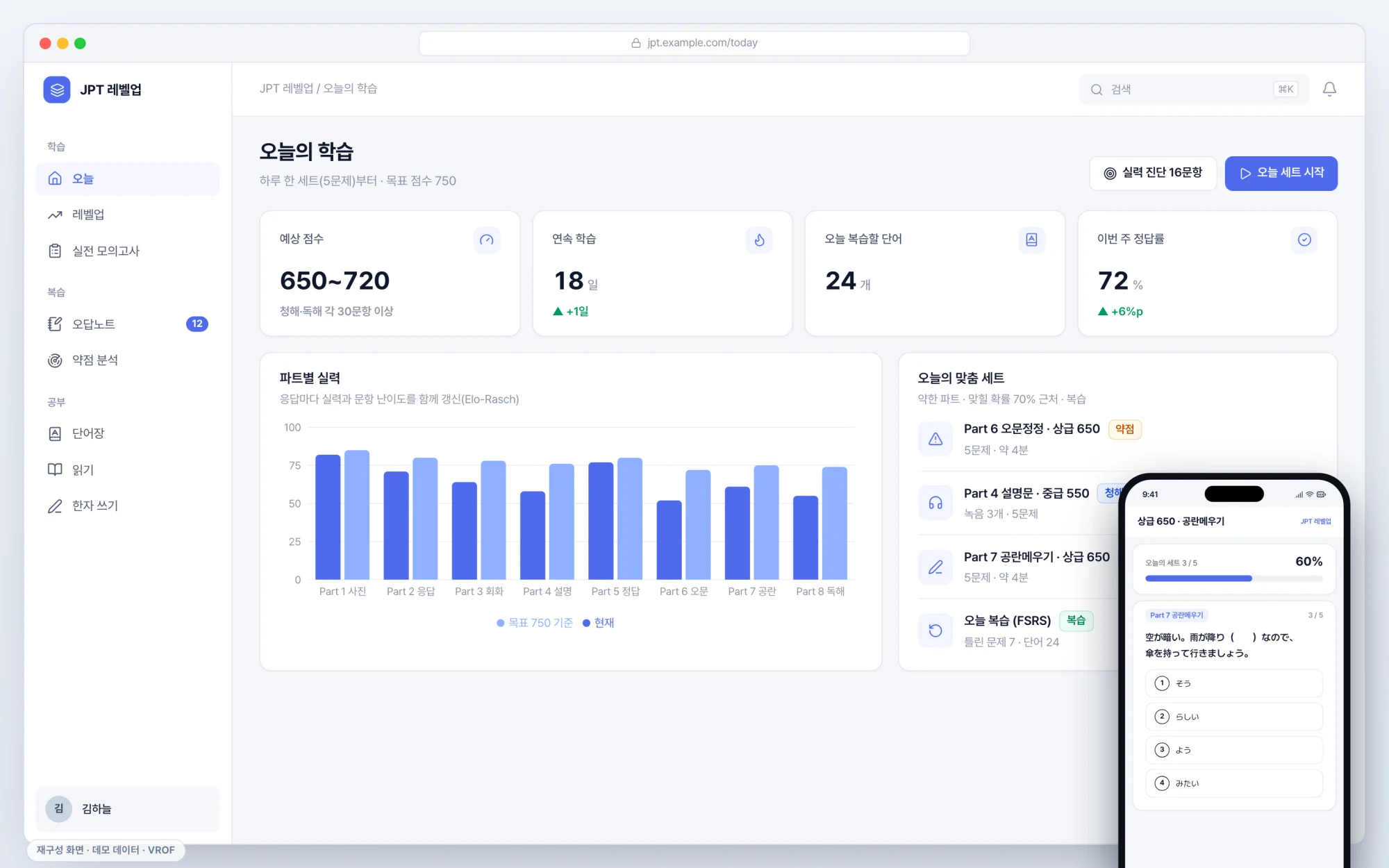
JPT Level-Up · Japanese test prep app
JPT Level-Up is our own study service for the JPT (Japanese Proficiency Test), built and run in-house from planning onward. Each answer updates both the learner's level and the question's difficulty, so every day brings five questions from the weakest part, and words from missed questions go straight into a vocabulary list. Progress is shared across desktop and mobile (installed to the home screen) under one account.
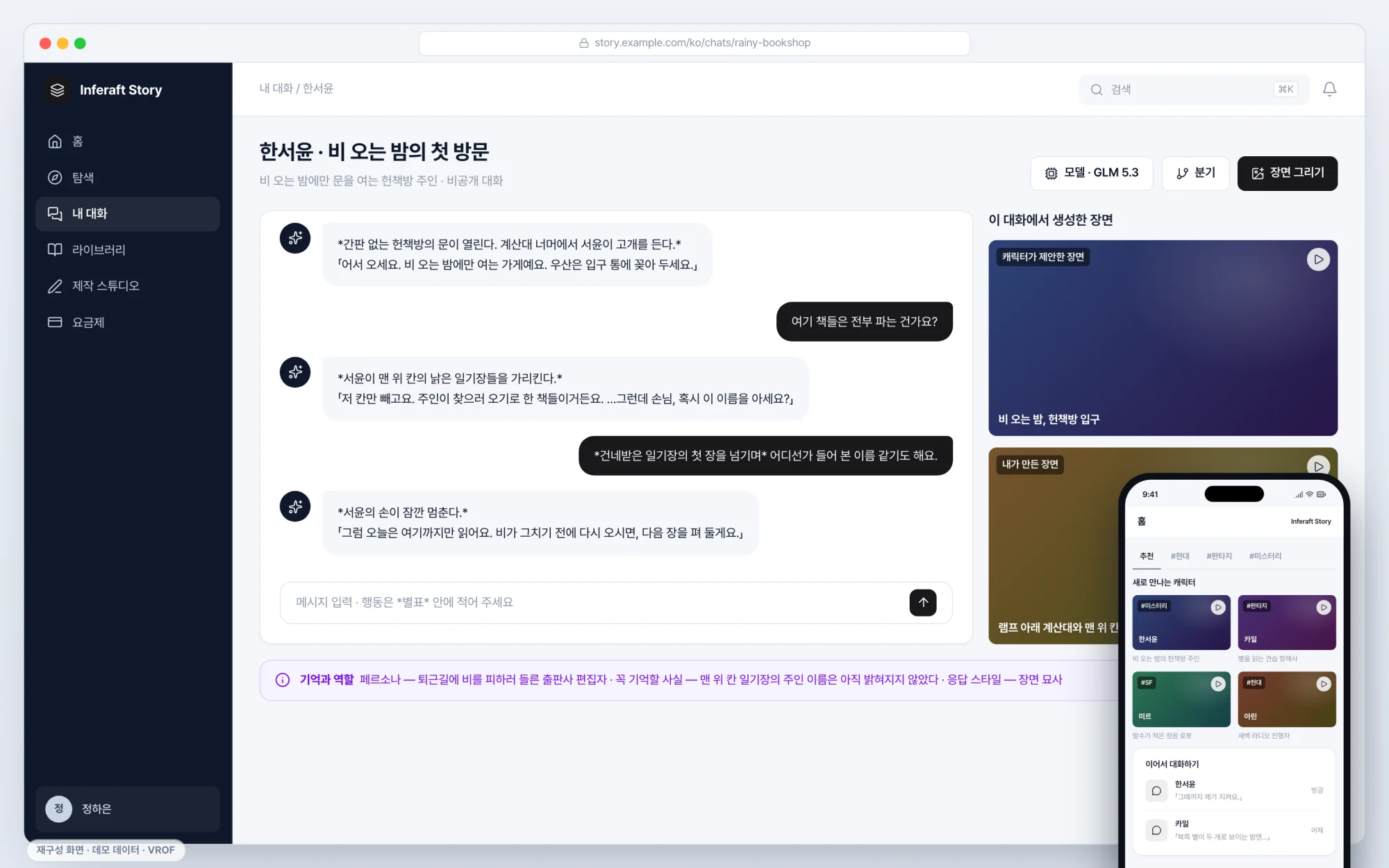
Inferaft Story · AI character chat service
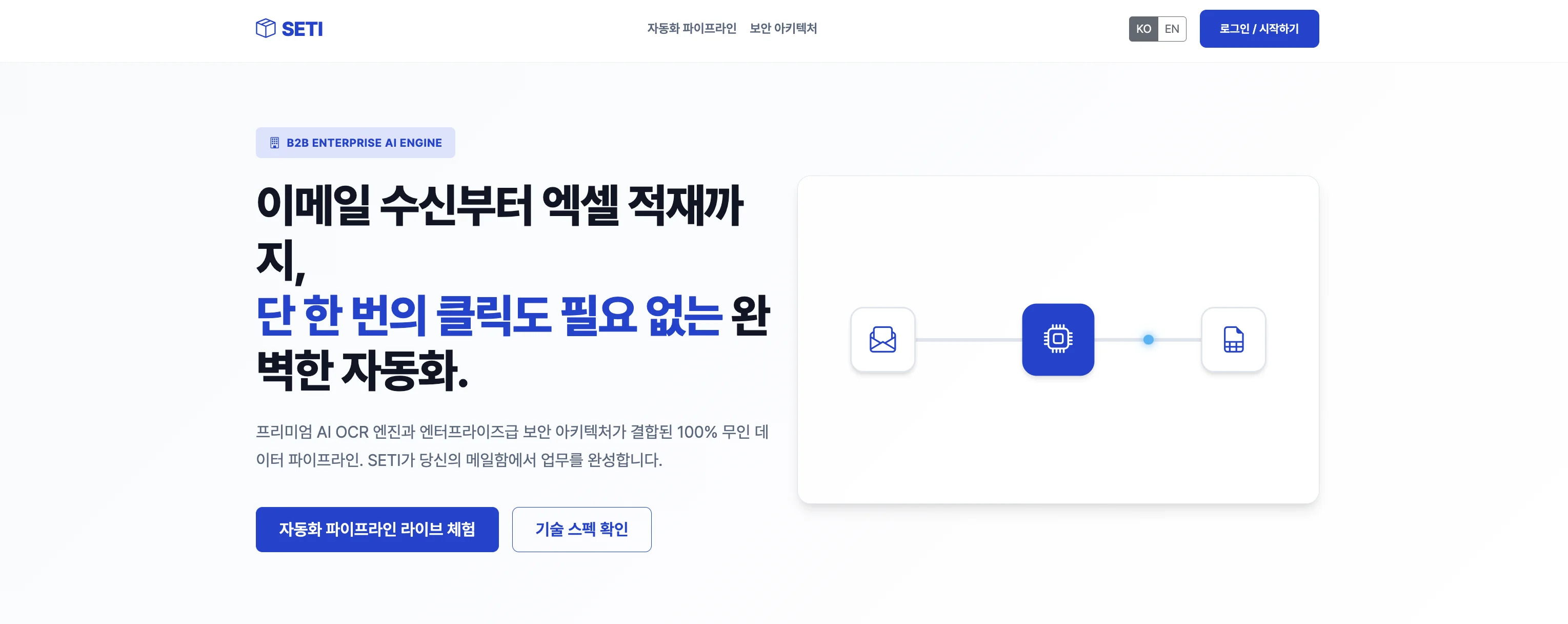
SETI · Email document OCR auto-entry
-
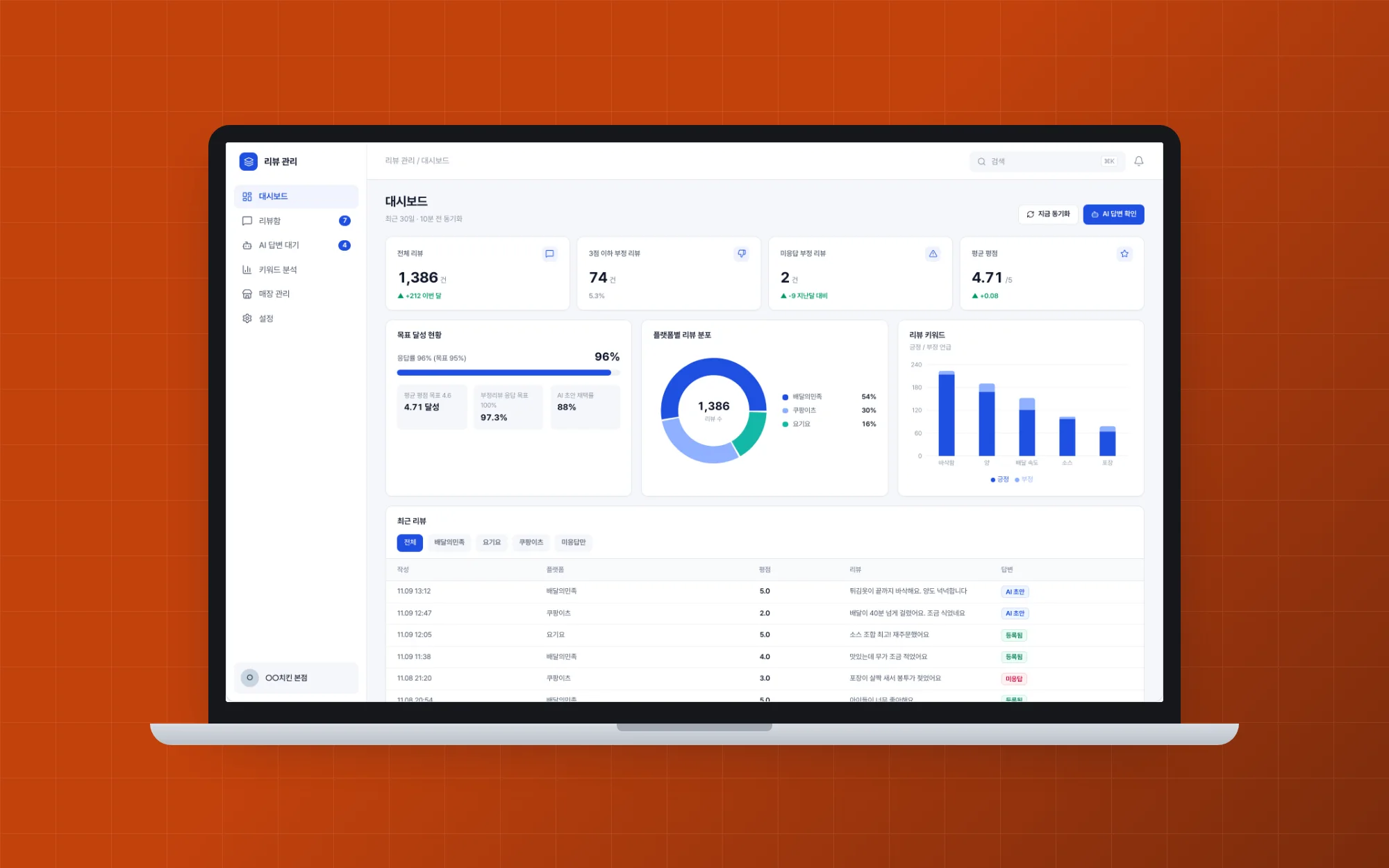
Delivery review manager with AI replies
Reviews from three delivery platforms are collected automatically, and AI drafts the replies. The owner reads each draft and posts it with one click.
Review replies Written by hand on three platforms from AI draft · posted after review to
-
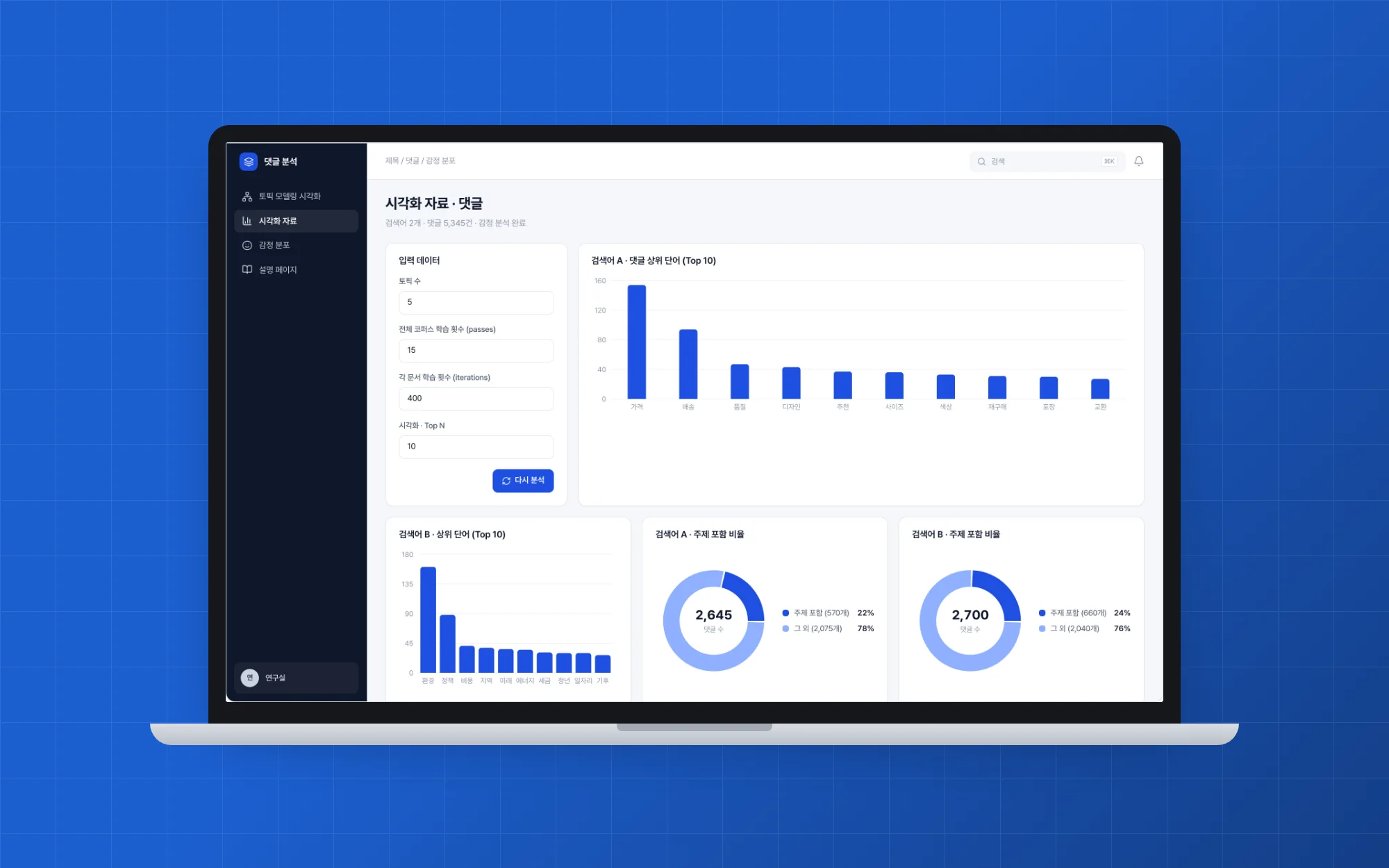
Comment topic and sentiment analyzer
Video comments collected by search term are grouped by topic and shown with their positive and negative distribution. Researchers set the number of topics on screen and can adjust the criteria and rerun the analysis themselves.
Comment topic analysis Skimmed by eye and judged by feel from Distributions by topic and sentiment to
-
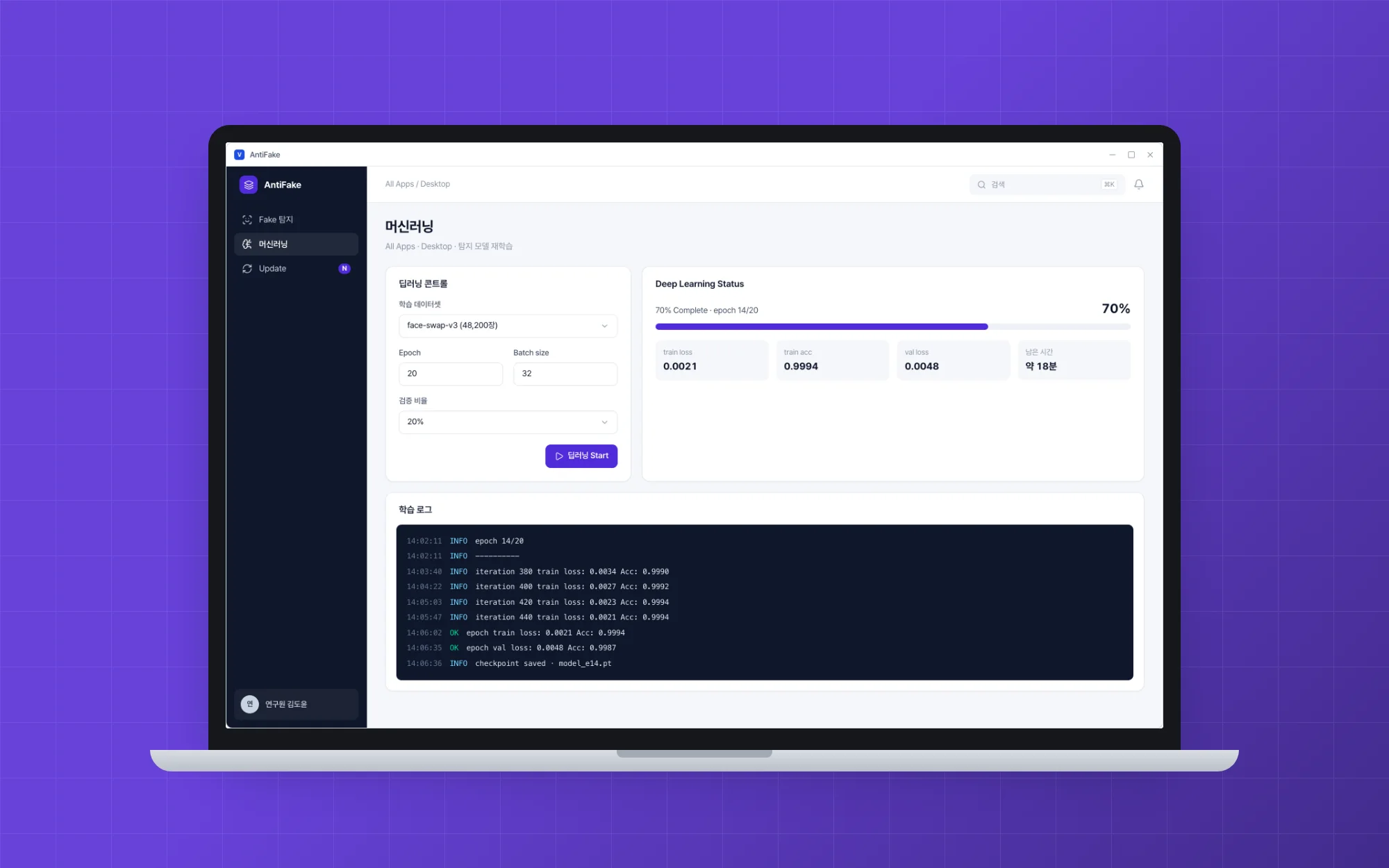
AntiFake · Real-time forgery detection engine
Tools that detect forgery after the fact already exist, but a late verdict is of little use. We built detection that completes while the verification process is still under way. This was a national R&D project under the Ministry of SMEs and Startups' Startup Growth Technology Development Program. It produced AntiFake, for which a patent has been filed.
Project delivery Started 2023.05 from Completed 2024.07 · all 8 performance targets met to
Common questions on this topic
- Delivery app and online store reviews: AI drafts the reply, the owner approves it In short: collection, sorting, and drafting are automated, while a person does the final check and posting. Drafting a reply for you is not the same as posting it for you.
- An in-house AI chatbot can be built on your own server: setup criteria for keeping company data inside In short: an in-house AI chatbot can be built on your own server. The setup depends on where your questions and company documents go.
VROF first identifies which work actually needs AI.
Applying AI to work that rules can handle makes processing slower and more costly, and the same input can produce different results. Conversely, handling work with constant exceptions through rules alone makes the rules overly complex.
-
Final review by staff
AI output is treated as a draft and confirmed after staff review. Errors can be corrected before anything is applied.
-
Traceable sources
Each result can be traced back to its source text, so the cause of an error can be found.
-
Built to switch models
AI models keep changing. In one product, we replaced the model once during operation. We design systems so the same structure still works when the model changes.
-
Performance stated only when measured
Accuracy figures are shown only for cases with measurement records.
Related services
AI needs data to base its judgments on. Data collection is handled by our Web data collection and App crawling services, and aggregation of the collected data by our Data analysis service.
Talk to VROF about AI adoption.
Tell us about the processes your staff currently judge by hand, and we will separate the work rules can handle from the work that needs AI and propose an approach.
Reply within 1 business day